

Once a donor fills this out, they’ll click submit, and in a matter of days the donated stock will be liquidated and deposited as cash into your bank account. There are a few key benefits that donors experience when donating stock to a nonprofit. Plus, donors are often more willing to give out of their wealth (i.e., from unearned gains on investments) than out of pocket (i.e., their disposable income). Encouraging gifts of stock can unlock generosity from donors who might otherwise feel hesitant to give a major gift. “This accomplishes two things—you’re increasing your itemized deduction and you avoid the tax because you’re donating the stock to charity,” says Elsensohn.

Stocks, Wire Transfers and Mutual Funds

In the same way donors can give cash to a nonprofit, they can also give stock, ETFs, and other securities. The donated stock is then liquified or repurchased, typically by a broker, and your organization receives funds equal to the value of each share of stock based on that day’s sale price. Ultimately, stock donations allow for donors to give more to the causes that are meaningful to them and for nonprofits to maximize their fundraising potential. Note that while dedicated stock giving tools aren’t required to improve your stock fundraising process, they help immensely on multiple fronts—donor experience, data collection, logistics, and more. If you don’t invest in an improved stock giving tool, you can still follow these steps to create a more intentional fundraising process. More importantly for the long-term sustainability of your stock fundraising, however, stock gifts received this way are usually reported anonymously.
- Anyone with stock that has appreciated in value that they’ve held longer than one year should consider stock donations.
- She currently holds $24,000 of Apple stock that she purchased for $4,000.
- We take care of all the details so you can focus on thanking your donors.
- Choosing to open your investment account with a nonprofit investment advisor instead of a traditional brokerage firm can make a huge difference in the success you see with your account.
- In fact, stock donations are becoming one of the most promising fundraising channels, compared to the traditional donations of cash, credit or goods.
- While you might be used to getting cash and physical item donations, have you considered why your donors might want to donate stocks instead?
Tens of Thousands of Churches Trust StartCHURCH
We can’t wait to help you unlock transformative gifts to drive your mission forward. Here’s an example of a modern, safe stock giving process from Reasons to Believe. Openly publishing this information without some kind of wall or lead capture page in place can also create a security risk, as financial information scraped online can fuel fraud. Noncash contributions made to a qualifying organization are subject to a 50% limit of your AGI.
Why Donate Stock Instead of Cash?
Security and privacy are paramount, which is why we designed DonateStock to be robust at every step of the process. Learn more about the measures we take to keep your private information safe. The organization employs a science-based, collaborative approach, partnering with governments, businesses, https://www.bookstime.com/ and communities to find innovative solutions to environmental issues. Through education and outreach, it encourages people to take action to protect the planet and live in harmony with nature. The organization’s work has led to significant advances in prenatal care, neonatal intensive care, and genetics.
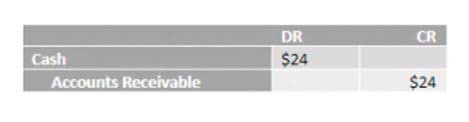
Historically, giving and accepting stocks has been messy and overly complicated for both donors and nonprofits. Its benefits have been hard to understand, and how to accept stock donations nonprofits often don’t know how to help donors through the process. Sending correct tax receipts is vital to ensure that your donors can claim their charitable tax deductions. Fortunately, while traditional investment advisors often don’t send donation receipts at all, Infinite Giving automatically sends them for you.

Nonprofit accounting rules are all normal balance about that accountability, so you’ll want to establish internal controls to prevent fraud and ensure everything is by the book. Regular financial reviews, clear approval processes for expenses, and, of course, secure software. GAAP standards dictate that in-kind donations need to be recorded in your nonprofit’s accounting records.

 English (UK)
  Português
Leave A Comment